When a manufactured home sits unsold for months, the owner's instinct is to assume the price is wrong, or the kitchen looks dated, or the market is bad.
Occasionally that is true. Far more often there is a specific blocker the owner does not know is there, and no price reduction or new flooring will fix it. Meanwhile the money that should have gone at the blocker goes into cosmetics that do not return their cost.
Here is the list in roughly the order of return on effort, starting with what costs almost nothing and unlocks the most.
Tier one: nearly free, and the most likely actual cause
A title problem
The highest-return fix available to any manufactured home seller, and it usually costs nothing but time.
Pull the title and read it. Look for three things: whether the name on it matches the seller exactly, whether a lien is recorded that was never released, and whether the title exists at all.
An unreleased security interest on a loan paid off fifteen years ago stops a sale cold. The owner has no debt and is correct that they paid it off, but the record shows an active interest, and no closing agent or lender will proceed. Getting a release from a lender that has been acquired, renamed or dissolved takes weeks, and longer once a buyer is already waiting.
A missing title is the same problem in a different shape. So is an owner of record who has died, or a name changed by marriage or divorce and never updated. The checks are straightforward, and this is the first hour to spend.
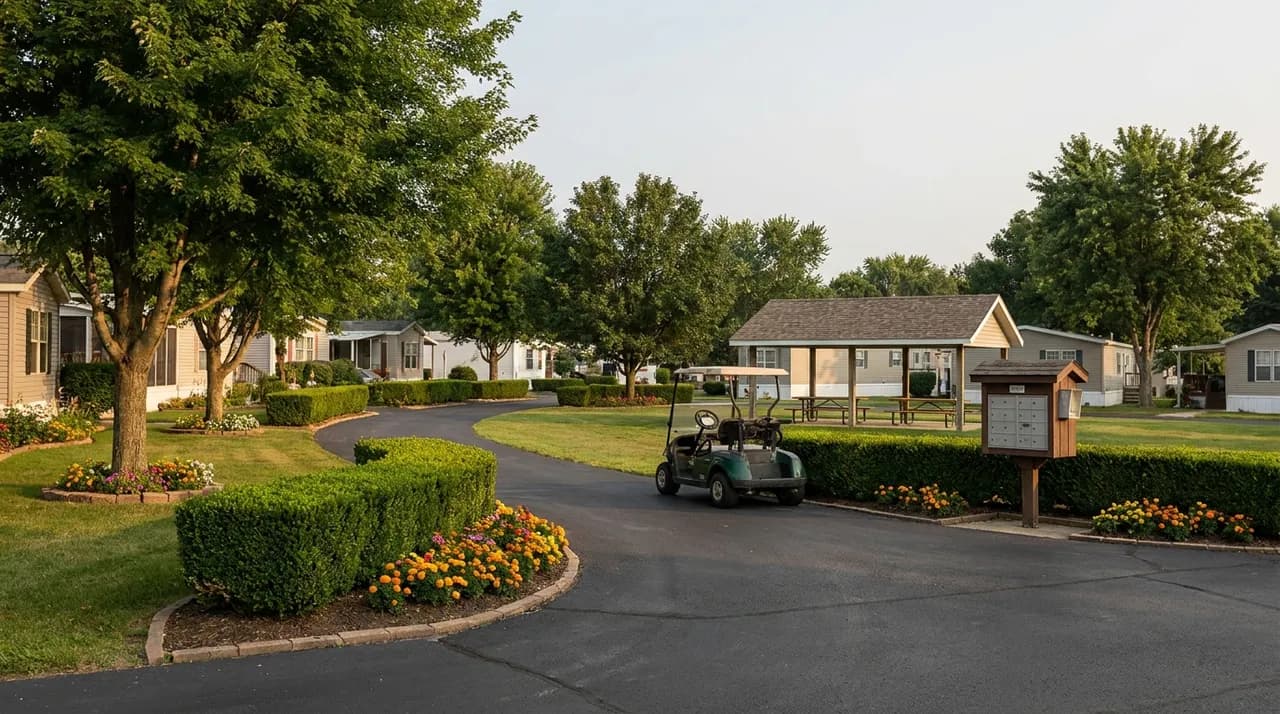
Not knowing your own community's rules
The second cheapest fix. Get, in writing, from management:
- Buyer approval criteria and typical processing time.
- What the lot rent will be for a new tenant, which is frequently not what you pay.
- Whether there is an age-of-home limit on transfers.
- What condition items are required at transfer.
- Any transfer fee, right of first refusal or notice requirement in the lease.
Sellers without these answers lose buyers at the exact point a buyer is most motivated, because the buyer asks a reasonable question and the seller does not know. Buyers read that as risk, and they should. The community's side of the process is half the transaction.
Quoting the wrong lot rent
Worth pulling out separately because it kills so many deals late. If you quote the rent you pay and the community resets it on a new tenancy, the buyer finds out at application and often walks. Quote the number your buyer will actually pay, from the start. You lose some early interest and keep the buyers who were real.
Past-due lot rent
Arrears generally have to be cleared at or before closing, and not knowing the exact payoff makes every negotiation hypothetical. Get the number. If it is growing faster than you can address it, that changes the strategy entirely and is worth understanding on its own.
Tier two: real money, real return
An active roof leak
Not necessarily a new roof. Stopping active water intrusion.
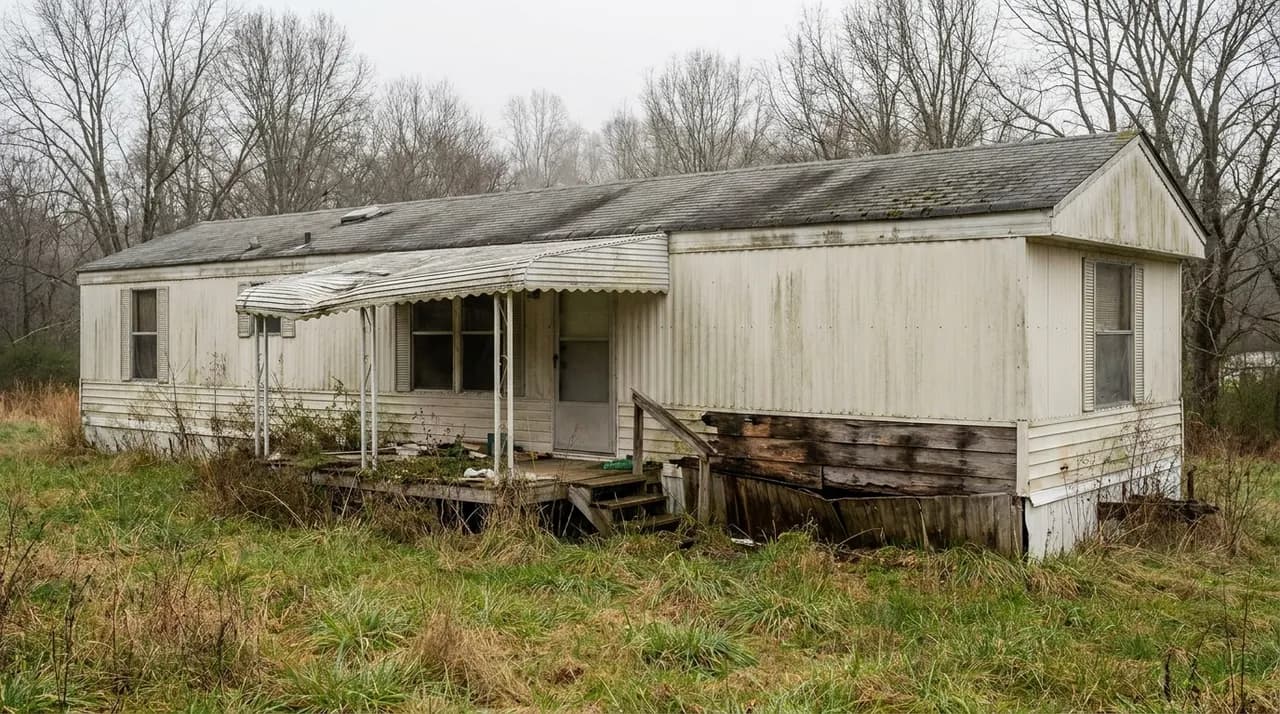
Every week a leak runs, damage extends further into insulation, wall cavities and the floor system, and the buyer's deduction grows with it. Buyers price for hidden damage, so an ongoing leak is valued at its projected condition, not its current one.
Whether a full re-roof pays back depends on the home's value. On a home with real remaining value, a documented new roof can return more than it costs, because it removes the largest single unknown from a buyer's calculation. On a low-value older home it frequently does not, and stopping the water while disclosing the history is the better choice.
A floor you can feel underfoot
One of the largest deductions in manufactured housing, because buyers know a soft spot is rarely as small as it appears and the repair is invasive.
If the cause is an active plumbing leak, fix the leak regardless. Whether to rebuild the floor is a value question: on a home worth repairing, yes. On a low-value home, floor structure work can easily exceed what it adds.
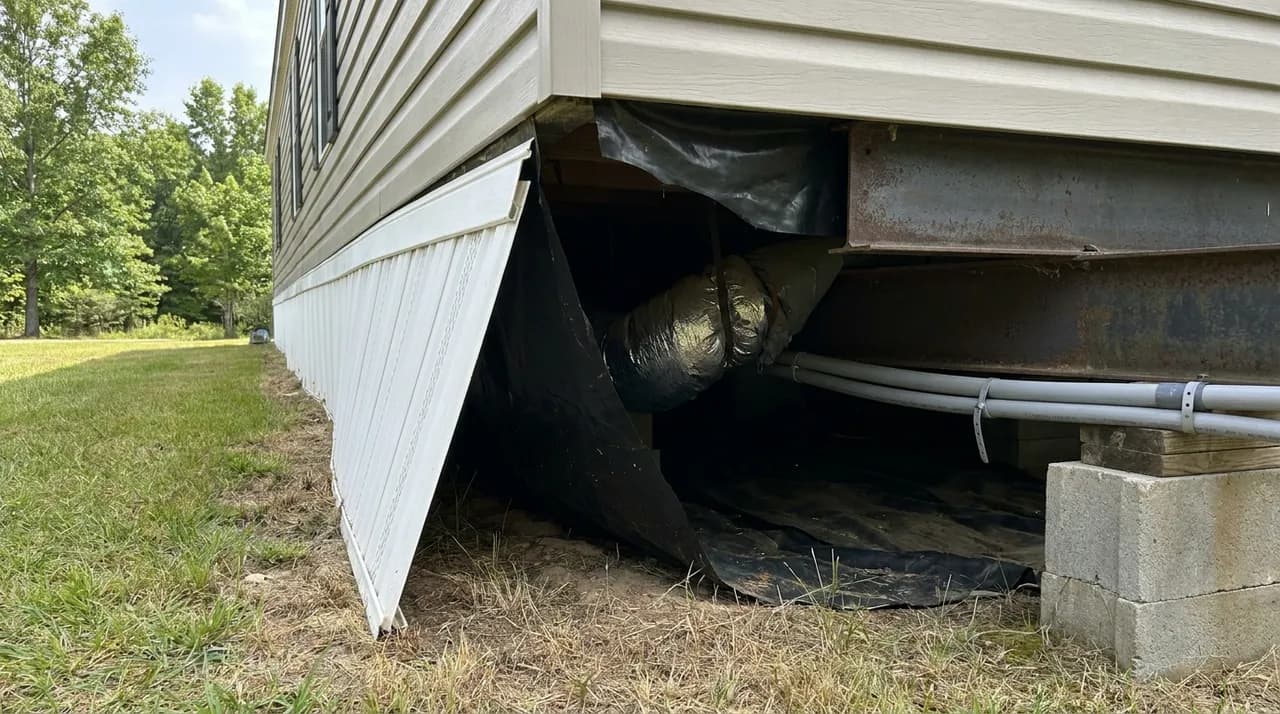
Missing or damaged skirting
High return relative to cost. The community frequently requires it at transfer, so it may not be optional. It is the first thing a buyer sees and sets their expectation for everything they cannot see, and it protects the plumbing and underbelly while you wait.
HVAC that does not run
Binary in a buyer's mind, and deducted at full replacement cost. Manufactured home furnaces cost more than the generic equivalent. If it is a genuine repair, do it. If the unit needs replacing, price it honestly instead, because you are unlikely to recover that on an older home.
A torn belly wrap
Cheap relative to what it prevents. An open underbelly lets insulation fall, moisture in, and rodents into the ductwork, wiring and plumbing.
Tier three: things that make a home hard to sell that are not repairs at all
Bad photographs
The most common reason a listing gets no calls. Dark rooms, photos taken at night, clutter, no exterior shot. Most buyers decide whether to call from six images. Clean the home, open every blind, shoot on a bright day, and take a clear front exterior. It costs nothing and it is the highest-return hour in presentation.
Contents
A home full of belongings shows badly, photographs badly, and signals a seller who is not ready. It is also the thing most likely to delay a closing. Deal with it early.
Odor
Smoke, pet and mildew odors are hard to remove because the absorbent materials are also the structural and finish materials. If the home smells, a buyer assumes the worst explanation. Address the source where you can and disclose what you cannot.
A price anchored to the wrong comparison
Manufactured home values are driven by a different set of factors than site-built houses, and online valuation tools are frequently wrong by a wide margin because they cannot see the roof, the floor or the community. Pricing against a website number and refusing to move is common and expensive.
A genuinely narrow buyer pool
Sometimes the home is fine and the pool is small. An age-restricted community narrows demand structurally, and so does a home no lender will finance. That is not a problem to fix, it is a reality to price and time around.
What usually does not pay back
Be direct with yourself about these.
A full kitchen or bath remodel. On an older manufactured home this rarely returns its cost. Buyers in this segment are payment-driven and price-driven, and a nice kitchen does not overcome a roof question.
New appliances and luxury finishes. Appliances are often taken by the seller or discounted heavily anyway, and the ceiling on the home's value is set by the home, the community and the lot rent, not the finishes.
Landscaping beyond basic tidiness. Mow it, trim it, clear it. Do not install anything.
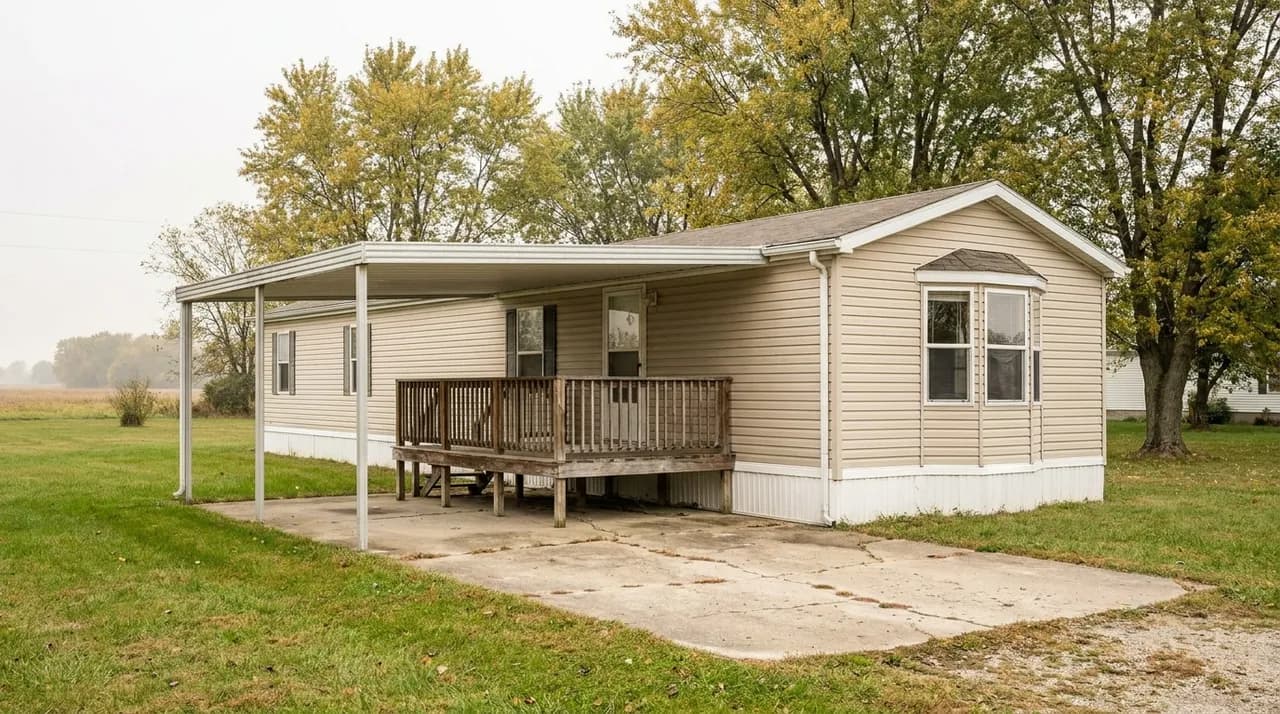
Adding a deck, a carport or a room. These frequently subtract value: often unpermitted, they create water intrusion points and make the home harder to move.
Cosmetic patching over an unresolved problem. New ceiling panel over an active leak, paint over mildew, coating over a roof still letting water in. Buyers find these, and finding one makes them distrust everything else they have been told, which costs far more than the original disclosure would have.
The order to work in
Title first. Community rules second. Water intrusion third. Skirting and underbelly fourth. Photos and clearing fifth. Everything else only if the home's value genuinely supports it.
If you work that list and the home still does not move, the answer is usually price, pool, or a structural issue retail buyers in your community cannot fund. At that point a direct sale is worth comparing honestly against continuing to carry it, and the three-way comparison is the right frame.
We buy manufactured homes in communities, including ones that have already sat unsold, and we will tell you when the fix is a title correction and better photographs rather than an offer from us. Send us the details, or read more about how we work.
Community transfer requirements, title procedures, disclosure obligations and permitting rules vary by state. This is general information, not legal advice or a professional inspection. Confirm the specifics with licensed professionals in your state.