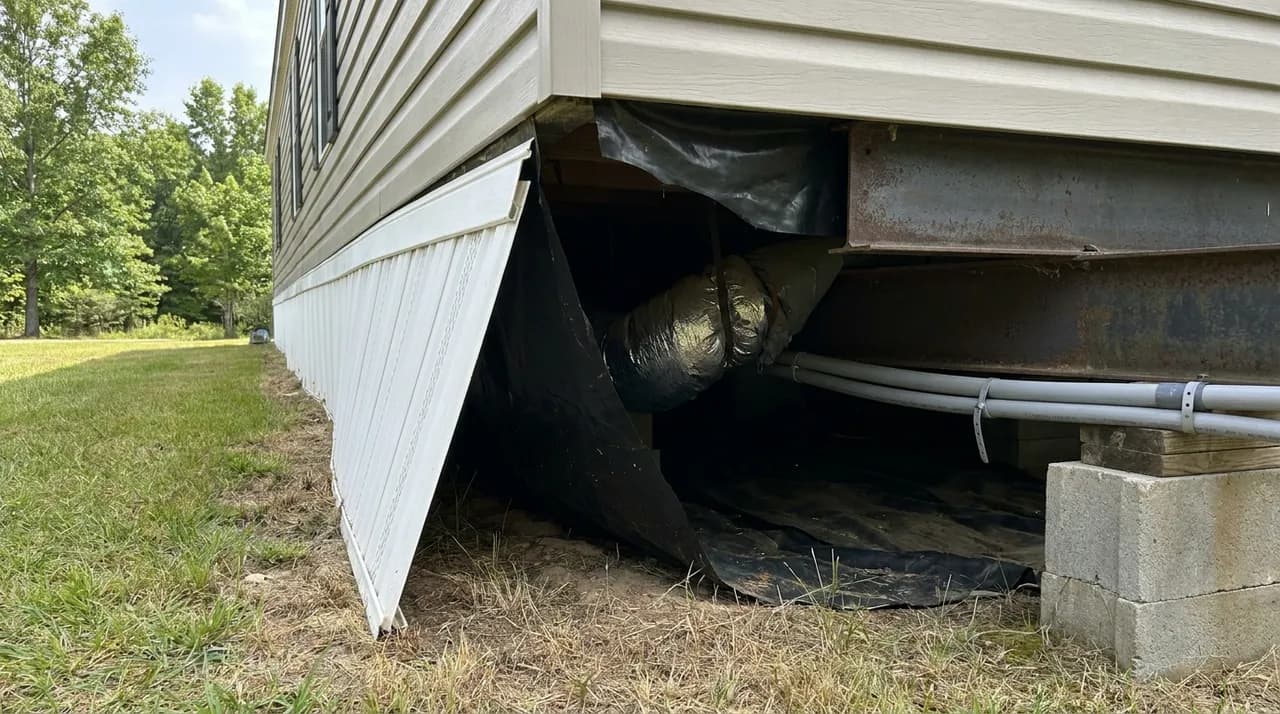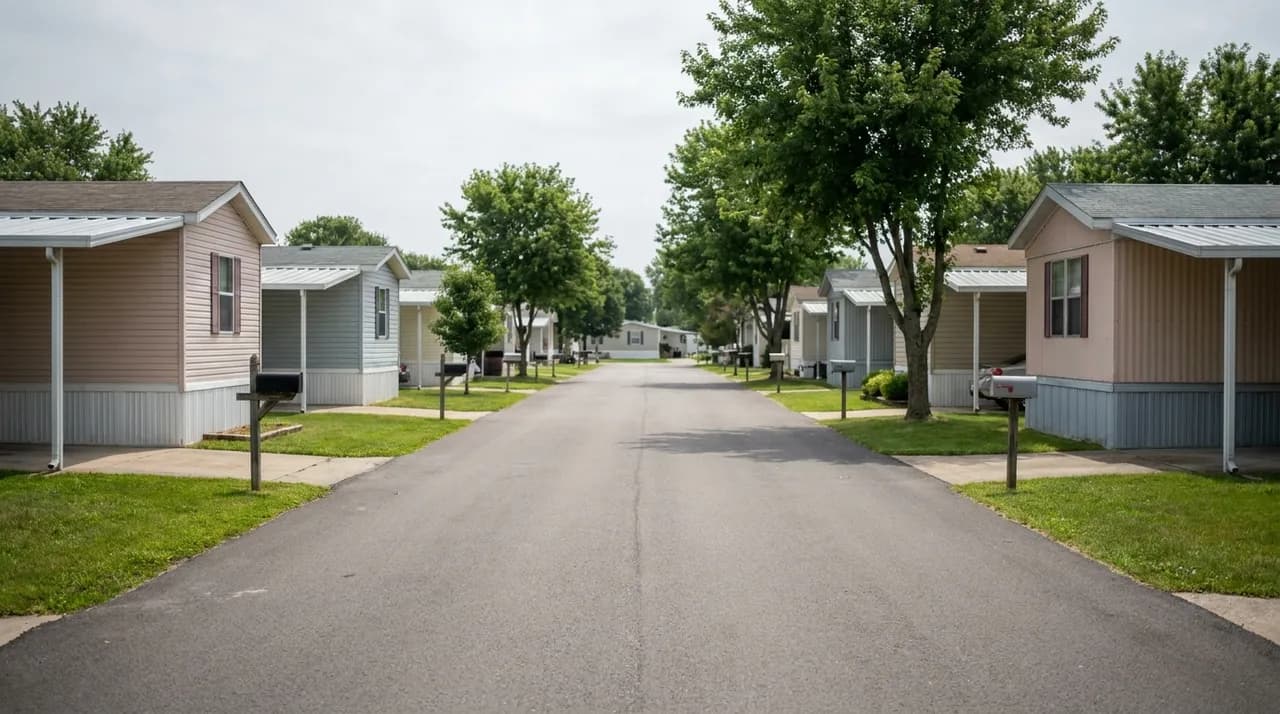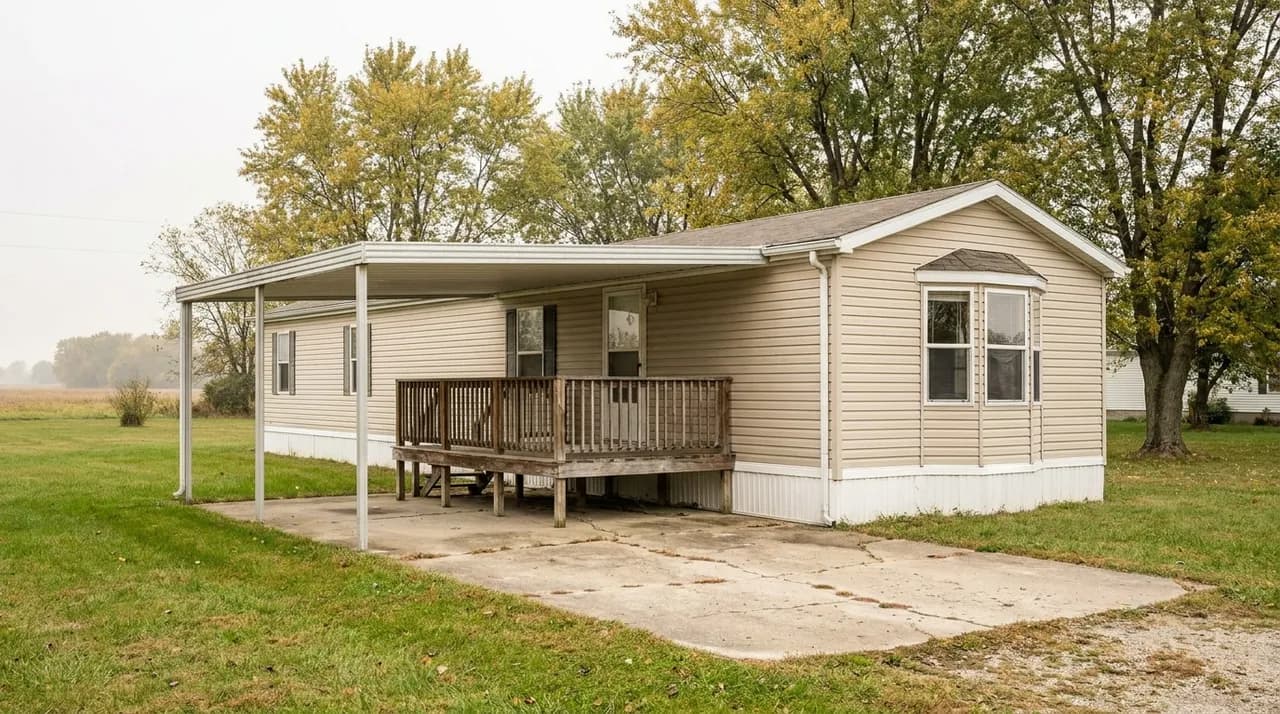
There are three realistic ways to sell a manufactured home, and every article on the subject was written by someone who does one of them.
We do one of them. Read this anyway, because the useful version of this comparison is the one that says plainly when our option is the wrong one. For a home in good condition with a patient owner, it usually is.
What you are actually comparing
The mistake almost everyone makes is comparing headline prices. That comparison is meaningless, because the three paths have completely different cost structures and timelines.
The number that matters is net proceeds in hand, on a specific date. To get there you subtract, from the gross price:
- Commission or fees
- Repairs you have to fund to make the sale happen
- Lot rent, utilities and insurance for every month the home is on the market
- Closing and transfer costs
- The cost of your own time and attention, which is not zero
- The probability-weighted cost of a deal falling through and restarting
That last item is the one nobody prices, and in manufactured housing it is significant, because a buyer has to clear both your approval and, for a home staying in place, the community's tenancy screening.
Option one: list with an agent
What it is. A licensed agent markets the home, handles showings, negotiates and coordinates the closing, for a commission.
Where it genuinely wins. Listing is very likely to produce your highest net when all of the following are true:
- The home has been converted to real property and sits on land you own.
- It is in good condition, with a sound roof, a sound floor and working systems.
- A buyer can finance it.
- The location is desirable.
- You are not in a hurry and can carry the costs during a marketing period.
If that describes your home, list it, and treat any cash offer as a floor rather than a plan. The financed retail buyer pool is the largest pool of money available, and an agent's job is to put your home in front of it. No cash offer beats a competitive retail market on price, because it exists precisely to trade price for speed and certainty.
Where it gets difficult. Manufactured homes on rented lots sit awkwardly in the real estate system. Many agents do not work them, because the commission on a lower-priced personal property sale does not justify the effort, and because the transaction is a title transfer rather than a deed transfer. Some states require a different license for personal property manufactured home sales.
So a home on a rented lot may struggle to find an agent who will take the listing and knows how to handle it. Ask how many in-community manufactured home sales the agent has personally closed. "I can figure it out" is a real answer, and it means your sale is their training.
Other costs. Commission. Repairs, because financed buyers usually cannot close on a home with active defects. Showings, which means keeping the home presentable. And carrying cost for the full marketing period, which in a restricted market can be long.
Option two: dealer consignment
What it is. A manufactured home dealer or a community-affiliated sales operation markets your home, takes a commission or set fee when it sells, and usually leaves the home where it is.
Where it genuinely wins. A dealer has three things an individual seller does not: buyer traffic already looking specifically for manufactured homes, relationships with chattel lenders who finance these homes, and familiarity with the community's transfer process.
The financing relationship is the real value. A large share of manufactured home buyers need chattel financing, and a dealer who can get one approved opens a door you cannot. If your home is in decent condition and financeable, a dealer's pipeline can outperform a private sale.
Where it gets difficult. You keep paying. The home is still yours while it sits, so lot rent, utilities and insurance continue for however long the consignment runs, and that period is not under your control.
Read the agreement carefully and look specifically for: the term, whether it is exclusive, what the fee is and when it is earned, whether you can sell it yourself during the term, who pays for repairs the dealer wants done, and how you exit.
Who it fits. An owner who is not in a rush, whose home shows reasonably well, and who wants access to the financed manufactured-home buyer pool without managing it personally.
Option three: a cash offer
What it is. A buyer who purchases directly with their own funds, typically as-is, on a timeline they can commit to.
What you are buying with the price difference. Three things, and they are the whole product:
Certainty. No financing contingency, no appraisal, no buyer whose loan falls apart in week five. For a home on a rented lot this matters more than it does for a house, because the buyer still has to pass the community's screening, and an experienced operator is usually either known to management already or able to work through that quickly.
Speed, which converts directly into money. Every month of marketing costs lot rent, utilities and insurance. On a lower-value home, several months of carrying cost is a meaningful share of the proceeds. A sale closing in weeks instead of months can produce a similar or better net than a higher headline price arriving five months later.
Freedom from repairs. The condition gets priced instead of repaired. You are not funding a roof, supervising a contractor from another state, or discovering what is behind the ceiling.
What it costs you. Price. A cash buyer is buying to resell or to rent, and the offer reflects the repairs, the carrying cost, the risk of what is not visible, and a margin. That is not a secret and should not be presented as one. If someone tells you a cash offer is the same as retail, they are not telling you the truth.
Where it genuinely wins. Deferred maintenance the home cannot economically absorb. A time constraint, whether a job relocation, a health situation, or past-due lot rent that is growing. An estate administered from another state. A home the community will not approve for transfer without work. A home that has sat on the market unsold. Or an owner who does not want to spend six months on it and has weighed the tradeoff honestly.
The decision, compressed
Ask yourself four questions.
Is the home financeable? Converted to real property on owned land, in sound condition. If yes, list it.
Do I have time, and can I carry the costs while it sits? If yes, list it or consign it. If no, carrying cost is quietly eating the difference between the paths, and a faster sale looks better the longer you think about it.
Can I fund and manage the repairs a retail buyer will require? If no, the retail path is narrower than it looks, because most buyers in communities cannot fund them either.
How much is certainty worth to me right now? A legitimate question with a personal answer. Someone managing an estate at a distance, watching lot rent accrue, or dealing with a health situation is entitled to weigh certainty heavily. Someone with a good home, time and no pressure is not buying much with it.
What we do, and when we will tell you not to use us
We buy manufactured homes directly, mostly homes sited in communities, and we resell matched inventory to buyers looking for a home in a specific community. We work the community approval side as part of the process.
When a home is in good shape, financeable, and owned by somebody with no time pressure, we say so and tell them to list it. That is not generosity. There is nothing in it for either of us if you take a certainty discount you do not need.
If you want a straight read on which of the three paths fits your situation, send us the details. On the buying side, see what we currently have available, and you can read more about how we work.
Real estate licensing, dealer licensing, consignment agreements and disclosure requirements vary by state. This is general information, not legal, tax or financial advice. Have any agreement reviewed by a licensed professional before signing it.